September 2026
Why Every Office Has a Culture,
Whether You Design It or Not

September 2026
Whether You Design It or Not
Share
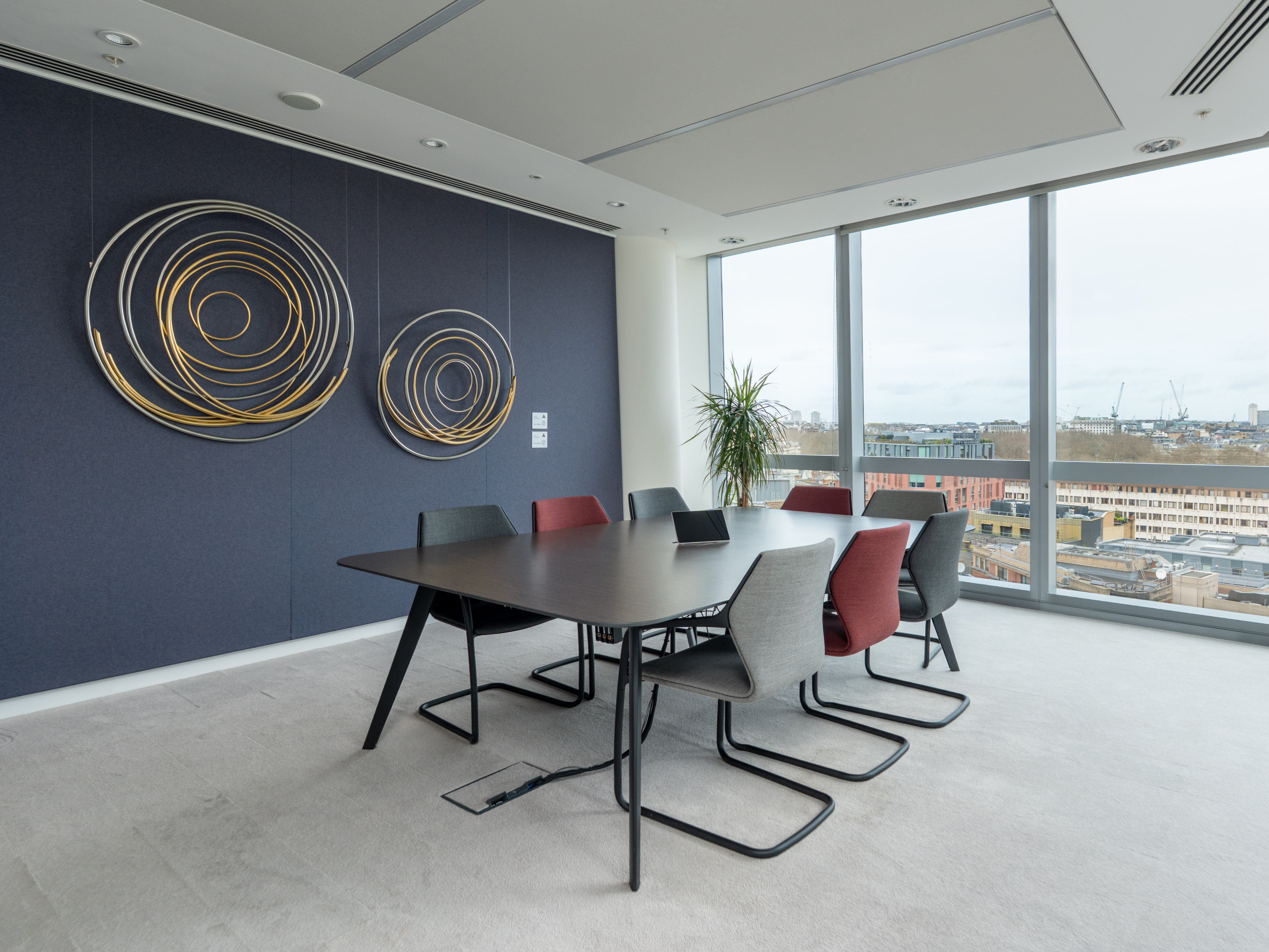
Walk into any office, and you'll feel something before anyone says a word. Before you've sat down in a meeting room. Before you've looked at a presentation. Before you've shaken hands with a client or met a member of the team. You notice the atmosphere. Some workplaces feel energising. Others feel calm and reflective. Some feel creative and full of possibility. Others feel cold, disconnected or simply forgettable. Many feel averagely corporate without having any personality. What's interesting is that these feelings aren't accidental. Whether it's intentional or not, every office is telling a story. The furniture, lighting, colours, artwork, layout and objects within a space all communicate something about the people who work there. Together they create an impression of what the organisation stands for, how it sees itself and what kind of experience it wants to create for employees and visitors alike. The question isn't whether your office has a culture. The question is whether you're actively shaping it
%20small.jpg)
When I founded Art in Offices in 2012, artwork was treated as a nice-to-have — something to break up the white walls once the real decisions were made. Today the conversation has changed, because organisations are competing harder to attract and keep good people, and they're asking a sharper question: why should anyone want to come into the office at all? The answer is rarely the desks. It's the experience — and that makes workplace design a business tool, not just an aesthetic one.
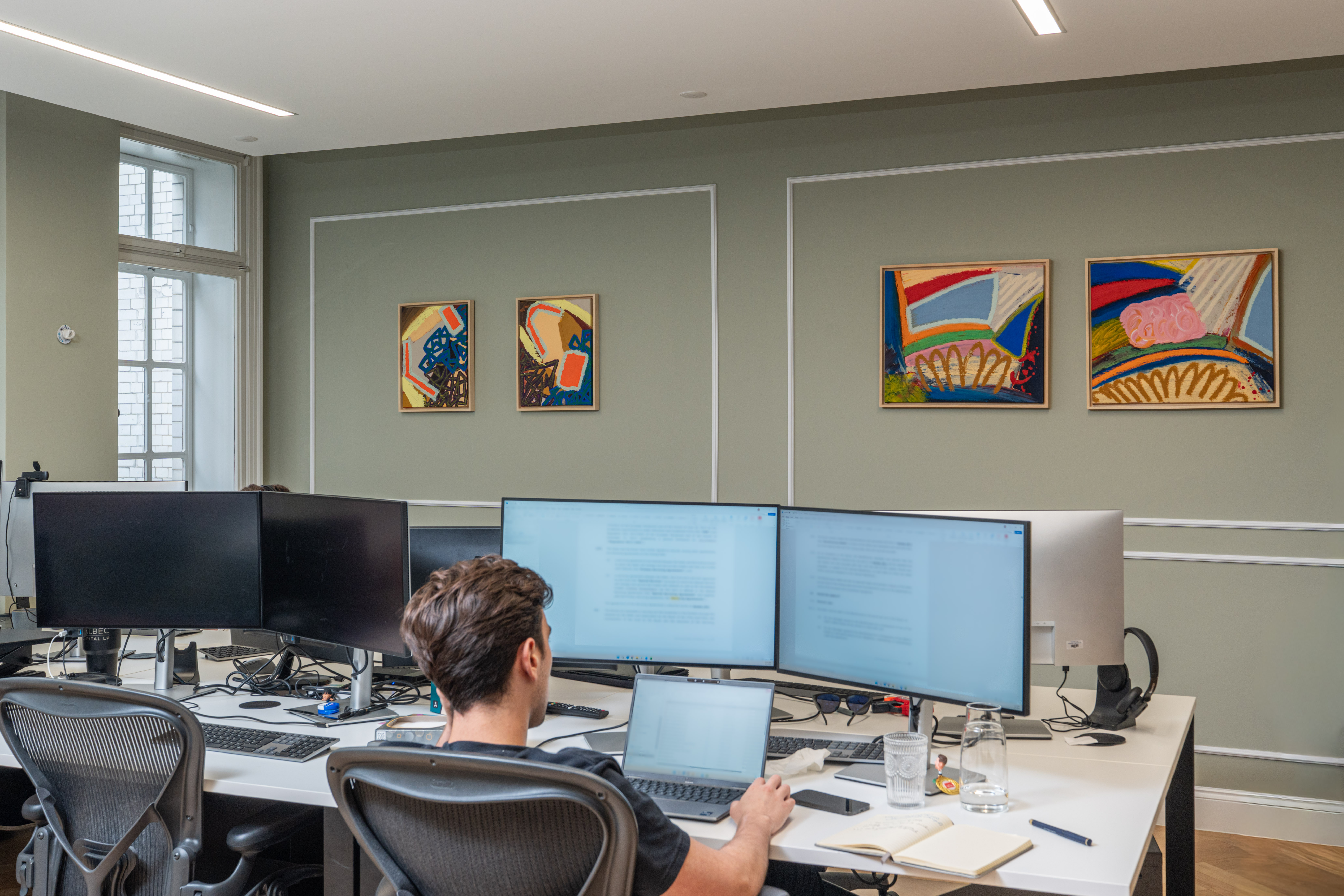
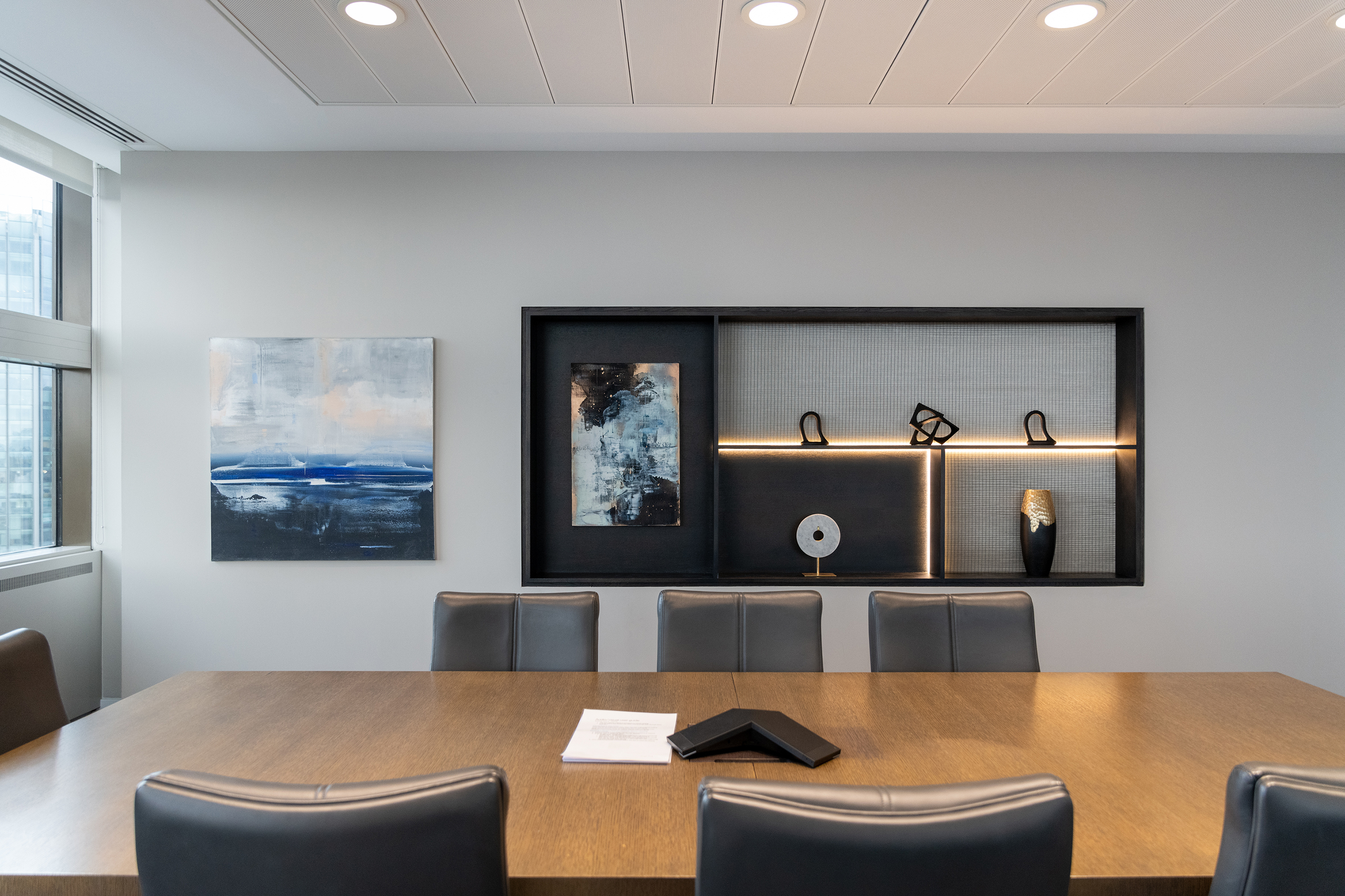
The biggest misconception is that art is primarily decorative. The best collections do far more: they create identity, communicate values, spark conversation, and reinforce a brand narrative. I've walked into offices where staff couldn't tell you what the company stood for, because nothing in the space was designed to say so. I've also curated collections where employees know the story behind every piece — who made it, why it was chosen — and those pieces become part of the culture itself, in a way a blank wall never could.
Before I select a single piece, I spend real time understanding who a client is: their brand personality, how they want a visitor to feel walking through the door, what's in their history worth drawing out, whether there's an ESG story or a set of values the art needs to connect with. A fast-growing tech company usually wants something bold and contemporary. A legal firm wants confidence and trust. A wellness brand wants calm. There's no single right answer — only the one that actually connects to that business.
It's also not just about reception. The most effective collections think about the whole journey through a building — the corridor between meetings, the breakout space, the quiet corner someone retreats to for five minutes — because that's where the everyday experience of work actually happens.
So here's the question worth asking: what does your workplace say about you when nobody's speaking? Humans judge fast, and most visitors have made up their mind about a business within seconds of walking in. Culture isn't built by a mission statement on a wall. It's experienced through the space people inhabit every day — which is exactly why the spaces we create matter.


